
From Birth Story to Business Plan
Apr 20, 2026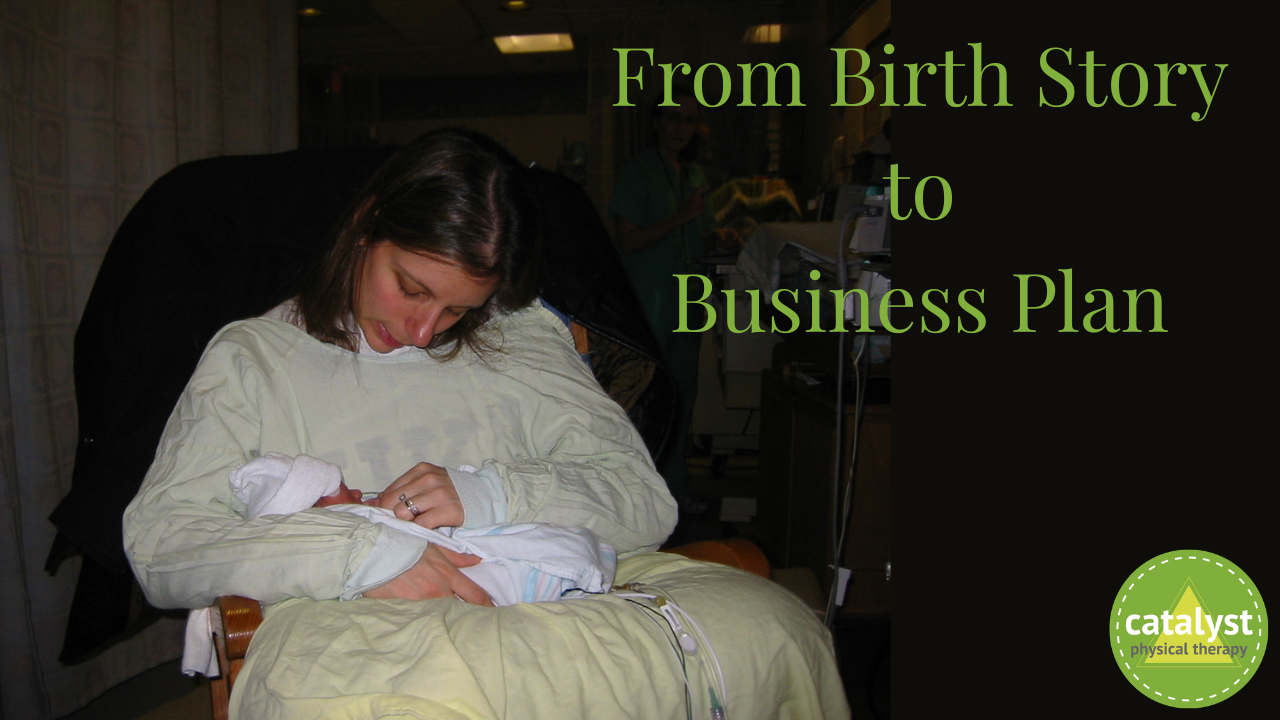
Author: Dr. Blair Green PT, DPT, OCS, PHC
20 years and 2 months ago, a scared woman suffering from pre-eclampsia gave birth to a 3lb 11oz boy. She had been in and out of the hospital for 3 weeks and had woken up that morning with elevated blood pressure and abnormal labs. She was not due for another six weeks but her doctor insisted on delivering that day to protect her health. Despite knowing exactly what was happening (she was a women’s health PT after all), she was experiencing fear, uncertainty and overwhelm. After the delivery, she didn’t even get to see her son, as he was whisked off to the NICU and she was still under the influence of seizure-preventing medications. Once she was in her postpartum room, she tried to stand up. She knew it was important to move. She tried, and immediately fell back onto the bed; too dizzy and nauseous. The next several hours were a blur.
If you haven’t figured it out by now, that new mom was me, and that was the day my son was born. While the details are foggy (thanks Magnesium Sulfate), I can still recall some of what went on that day. The lasting memory really exists in that I felt alone and helpless. As a new mom, this was not how I planned to bring my son into the world. I hadn’t even taken the birth prep class! I felt helpless with no clue how to care for my child nor how to recover myself from 3 weeks of bedrest and a C section. I think the hardest thing for me was that I help women every day who have gone through similar experiences, yet I felt like I had nowhere to turn.
I was able to recover, doing all the things that I would tell my patients in C section recovery. Still, I couldn’t shake the feeling - what do people do who don’t have help, or don’t even know that help is available? This was 2006 and postpartum care was a fragment of what it is today. If the provider couldn’t find someone to help her, certainly other women were suffering in silence.
That experience changed how I treat patients. I had a new level of empathy. If it was so hard for me how were other people doing it? I dedicated my career to helping women find and receive help and support, not only through pregnancy and postpartum, but with any pelvic or orthopedic problem. This was the foundation upon which Catalyst was built - acting as a partner to provide women with support and tools as they move through their wellness journeys. Now, 9 years after opening my doors, I hate to admit that women’s healthcare has changed very little. We are more vocal and proactive, and there is new awareness of what women deal with. However, finding adequate support remains a challenge for many.
I am grateful for Catalyst, our team, and that we work every day to change the lives of women. We are leading from the front, providing whatever care and resources are necessary. We stand up for women every chance we get. We make sure our patients have access to the care they need and deserve, and we are unwavering in our support. Women should not have to work twice as hard to find the answers to their medical problems. It’s our goal to make sure she gets the help she needs in a way that supports her fully.
It’s my hope that any woman, no matter what stage of their life, doesn’t have to feel alone, scared or unsure how to help herself when navigating through the healthcare system. She will always have a home at Catalyst.
Welcome to The Catalyst Blog!

